
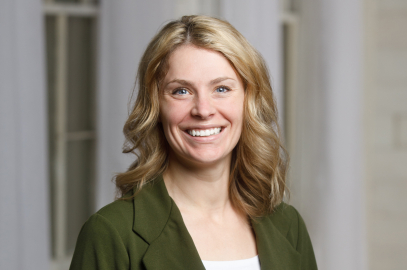
Amy Larsen
Plainwell Resident
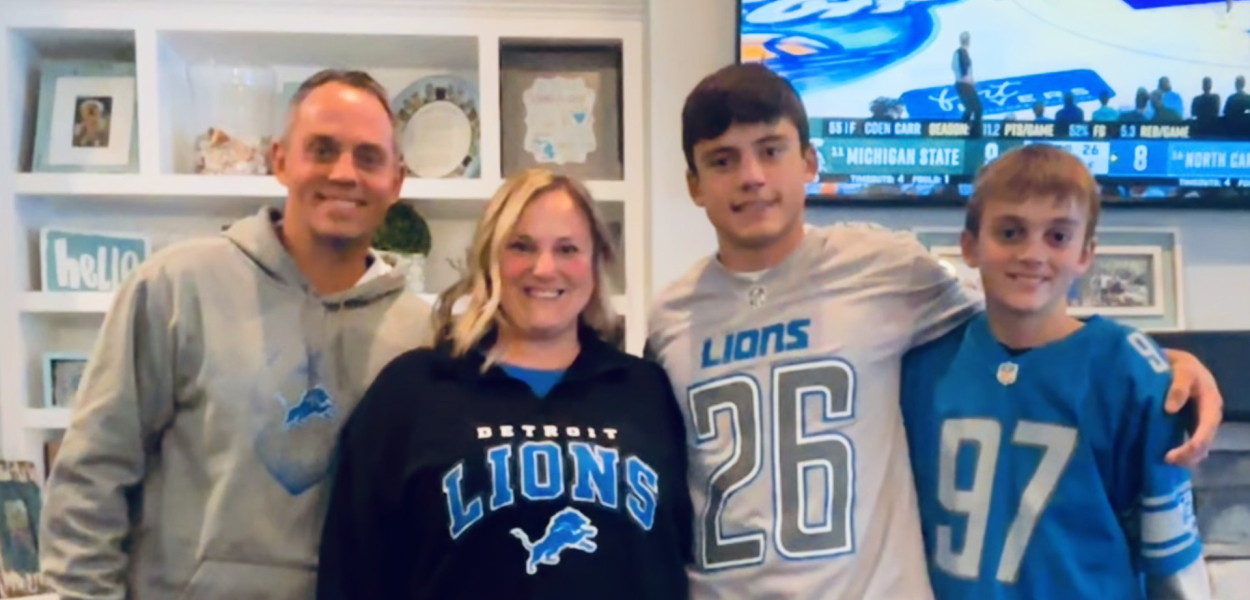
“We live in Plainwell, Michigan, a small town near the Kalamazoo River. On the surface, it’s a beautiful place—quiet neighborhoods, friendly schools, and a strong sense of community. But beneath that charm lies a troubling reality that has shaped our lives in ways we never expected.”
Our story begins when my son Cameron was nine. He had always been a healthy, active kid—never one to complain. Then, seemingly out of nowhere, he started breaking out in hives. We tried allergy testing, changed detergents, soaps, even our diet. Nothing helped. Doctors couldn’t pinpoint a cause. Eventually, they suggested diabetes. That was the beginning of a journey we never saw coming.
Cameron was diagnosed with Type 1 diabetes shortly after. I remember the night vividly. He had been peeing constantly, even wetting the bed—something he hadn’t done since he was a toddler. One night, my mom saw him guzzling water from the bathroom sink like he couldn’t get enough. That was the red flag. At the allergist’s office, Cameron got lightheaded. They sent us straight to the pediatrician. When they pricked his finger, the machine couldn’t even register his blood sugar—it was that high. Alarms went off, nurses rushed in, and just like that, our lives changed.
“As a parent, hearing “this is forever” was devastating. You want to protect your child, fix things, make it better. But this wasn’t something I could fix.”
Cameron was brave—he took the shots, learned the routines, and adapted. But the emotional weight of knowing your child’s life depends on constant vigilance is something I carry every day.
We’ve had to become experts in diabetes management. We’ve faced ER visits where medical staff didn’t understand Type 1, leaving us to advocate for Cameron’s care. We’ve used emergency glucagon injections, monitored ketones, and fought to get the right technology, like Dexcom sensors and insulin pumps. We’ve had sleepless nights, alarms going off, and moments of panic. And through it all, we’ve had to educate others—teachers, coaches, even doctors—about what Cameron needs to stay safe.
“But what haunts me most is the question: Why? Why did Cameron get diabetes? Why are so many kids in our area being diagnosed? I’m part of a local support group for families with Type 1, and the numbers have skyrocketed since 2020. Something isn’t right.”
We started looking at our environment. We live just two miles from the Kalamazoo River, a waterway long plagued by pollution. Paper mills, chemical spills, and industrial runoff have left a legacy of contamination. Enbridge spilled oil into the river years ago. PFAS—those “forever chemicals”—have been found in nearby communities like Parchment, forcing them to switch water supplies. We’ve always been on city water sourced from Kalamazoo, which gives us some peace of mind. But the river’s proximity still worries me.
Cameron’s hives, which doctors say are likely triggered by environmental factors, haven’t gone away. Could it be something in the air? The soil? The water? We live near farms that use chemicals, and in the spring, there’s a pungent smell that drifts through our subdivision. People say it’s from fertilizers, but what’s really in those chemicals?
Then there’s JBS, the meat-packing plant in Plainwell. It’s notorious in our community. Trucks spill animal waste on the roads. There was a day when a truck dumped a load of animal parts right in front of the school. Hazmat crews had to clean it up. The smell was overwhelming. Residents complain about manure leaching into their yards. Workers leave the plant in full gear, boots and all, without decontaminating. It’s disturbing. And it’s right next to where our kids go to school.
Cameron has grown up surrounded by these environmental hazards. He’s fished in the river but never eaten the fish. He avoids touching the water. He’s seen the spills, smelled the chemicals, and lived with the consequences. He’s also watched friends and neighbors battle cancer. We’ve lost family members—my mom, my grandma, my uncle—all to different forms of cancer. It’s hard not to wonder if there’s a connection.
Cameron’s younger brother doesn’t have diabetes, but we’ve had him tested for antibodies. So far, he’s clear. But that doesn’t mean he’s safe. The doctors say antibodies can develop over time. And with the environmental exposures we face, who knows what could happen?
“Cameron’s experience with diabetes has shaped his life in profound ways. He’s had to leave basketball games when his sugar dropped. He’s missed sleepovers because other parents aren’t equipped to handle his needs. He’s had to think about how his insulin pump might beep during a school lockdown. We’ve had to plan for the unthinkable—what to do if his pump goes off during an active shooter drill. It’s a terrifying reality.”
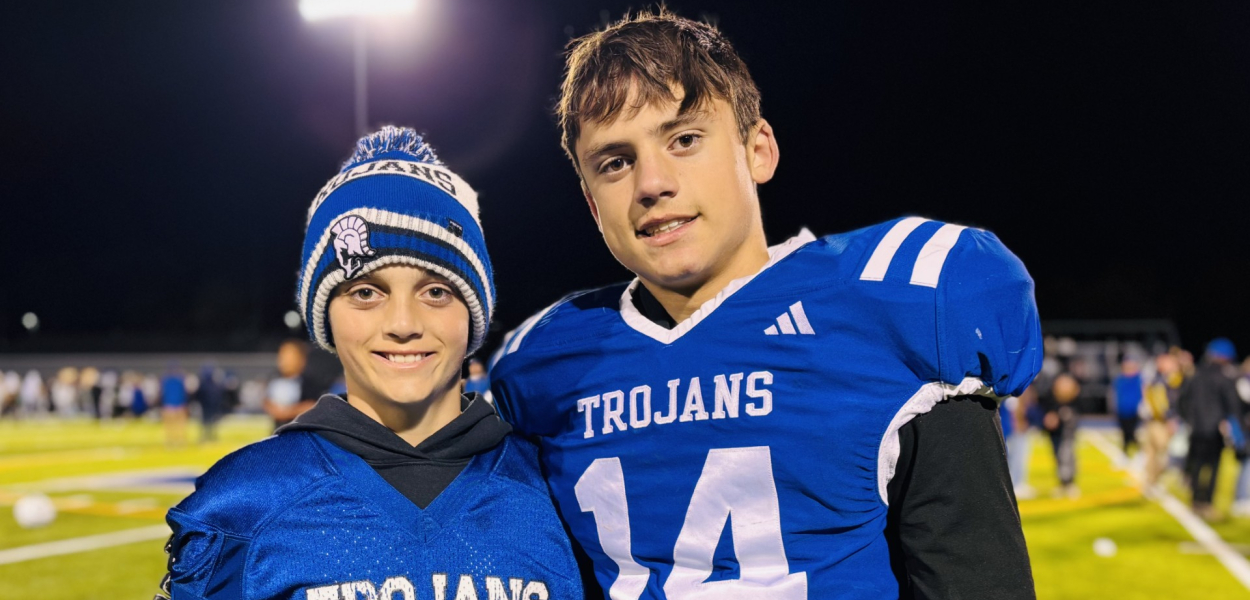
Despite all this, Cameron remains resilient. He’s a sophomore now, active in sports, and dreams of working for the Department of Natural Resources. He loves being outside, exploring nature, and learning about the environment. He’s curious about how climate change and pollution might affect his blood sugar. He’s noticed that hot days make his levels spike. He wonders if fossil fuels and air quality play a role. He’s thoughtful, observant, and determined to make a difference.
We’ve talked about how environmental issues aren’t just abstract concepts—they’re personal. They affect our health, our routines, our relationships. Cameron’s story isn’t just about diabetes. It’s about living in a community where pollution is normalized, where people know the risks but feel powerless to change them. It’s about connecting the dots between industry, contamination, and chronic illness.
“We believe in the power of stories. That’s why we’re sharing ours.”
We want people to understand that justice isn’t just about regulations and cleanup—it’s about real lives. It’s about kids like Cameron who deserve to grow up healthy. It’s about parents like me who want answers and accountability. It’s about communities like Plainwell and Otsego that deserve clean air, safe water, and a future free from fear.
Our story is one of resilience, but also of urgency. We can’t afford to ignore the environmental factors that shape our health. We need research, transparency, and action. We need to protect our children—not just from disease, but from the conditions that may be causing it.
This is our home, and we want it to be safe—for Cameron, for his brother, for every family in our community.
Gallery
Related Stories
-
People say, “No one knew.” But I believe they did. These companies employed chemists, engineers, brilliant people with PhDs. They knew. And now, multiple generations are paying the price.
-
I just know a lot of people have been hurt, are still hurting. How much more is the future going to hurt for people?
-
You can certainly make a mistake, all of us will, but when you are harming others, and are not taking accountability, that’s negligence.