
Richard D Lyon II
Longtime Plainwell and Otsego Resident
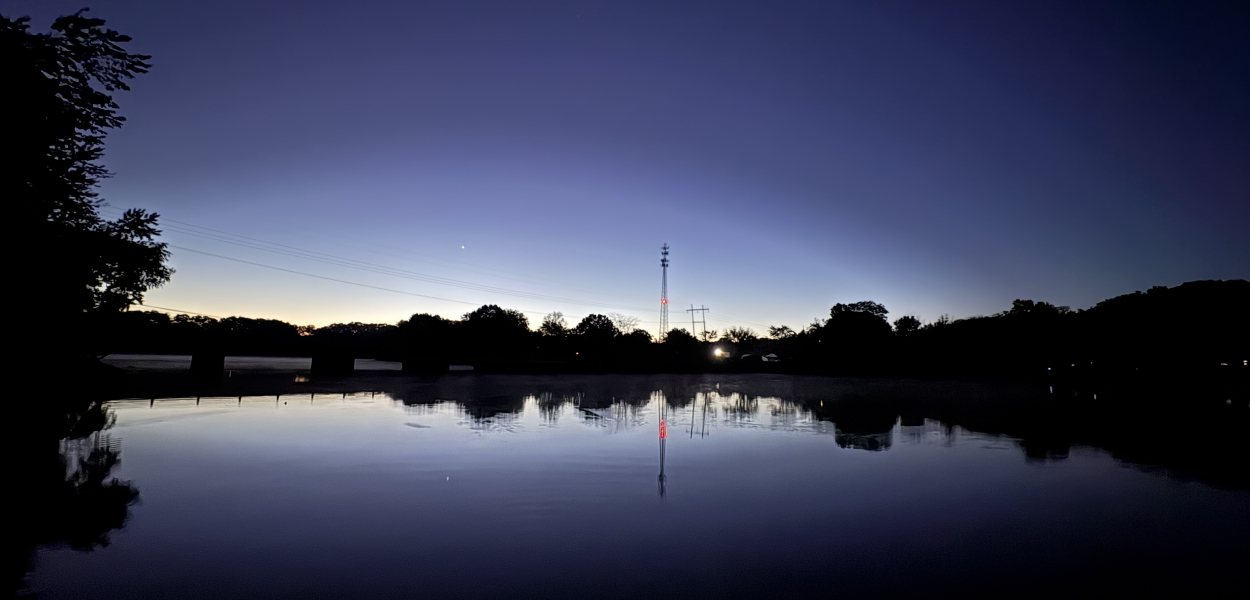
Back when we moved to Plainwell in 1964, I had more contact with the Kalamazoo River. I remember in the late 60s and early 70s, the pollution in the river was so strong the fumes would peel the paint off the sides of the houses by the river. On those hot summer nights when there was no wind, it was attacking the houses. Now, remember, this river flows through at about six or seven miles an hour. So how far is the fume trail?
My dad worked at the paper mill in Parchment, so sometimes we had to go down there and pick him up because he only had one car at the time, a ‘54 Pontiac. I remember seeing pipes from Hooker Chemical dumping black and sometimes red chemicals into the river when I was a kid. Why would you need different chemicals? Because they made Christmas wrapping paper with different colors. If somebody were to go back to find out what kind of chemicals they had there, they would probably get a good grasp of what was going into the river. Anything that was extra or outdated or they didn't need it—it’d go into the river.
When I was a teenager, I remember the Cooper Fire Department spraying the river down because of the foam.
“There were so many different paper mills on the river back in the 60s and 70s, and that meant a lot of chemicals. These big white foam pieces formed from all the chemicals in the river and the agitation of the river, and they were about the size of a table. They were coming down the river and—poof!—they would catch on fire when they touched something.”
It wasn’t just the mills. The Cooper Township dump was right next to the Kalamazoo River at D Avenue where the railroad tracks go by. We used that dump from ‘64 until they closed it. In the last year or so that I remember using the dump, after Saturday, they would come in and they would put some soil over what was dumped. We didn’t separate our trash at the time, so I suspect a lot of people just dumped whatever they wanted or needed to there.
I've owned a home in Otsego since 1995, but I’ve lived in my current house since 2000.
Contamination is kind of looming up there on the horizon. I've always used pure filters on my faucet for my drinking water and for cooking. Since I went to the meeting in Otsego last fall of 2024 at the city hall and Mary Zack was there, I have learned a lot about the PFAS contamination and the Menasha dump that’s supposed to be capped. Menasha takes ownership of that, too. Not the board mill that's there now, USG. When they bought the business, they made sure that they didn't buy into that headache.
The Kalamazoo River has been polluted so many times. Let’s talk about Enbridge Energy's Line 6B pipeline. The location of the spill was Talmadge Creek, Marshall, Michigan. The date of the spill was July 25th, 2010. That was a Sunday, by the way. That's what I had to double check because there's a backstory to this.
“They lost 877,000 to 1 million gallons of oil. This is the largest inland oil spill in U.S. history.”
The cause was a 40-foot segment of a 30-inch pipeline that ruptured. The response time was 18 hours delayed because they didn't trust their gauges in the Canadian ops center.
It didn't hit the press until about Monday, when they actually realized, “Oh, crap. We got a problem.” But I remember being at my significant other May Miller’s house in Otsego, maybe 1,000 to 1,200 feet at the most from the river, and Brett Wallace walked by and we were sitting on the patio there and I said, “Brett, do you smell that oil? It smells like a diesel spill over at the bus garage here at the high school.” He says “Yes, I do smell the oil, it’s more prevalent at my house closer to 89.” I said “Whoa, man, that's awful strong.” We had no knowledge that crude oil was flowing right by us. You won't get anybody to tell you that. Not even Michigan DNR. I talked to him personally.
I worked in Battle Creek and Custer Road goes right across the Kalamazoo River. There was a huge presence of EPA there with flat bottomed airboats and containment stuff because there was a flood zone there and they had to go in there and clean all that soil up. It took them about a year, a year and a half, to do all that. I don't see how you could get it all done.
One day, the DNR was pulling out of there with their boat. I said, “Well, I know where they're going.” So I followed him. When I pulled into the DNR location, I got out of my car to go talk to him. The guy gets out and he's kind of hostile. He says, “Why did you follow us?” I said, “Because I wanted to talk to you. And how am I supposed to talk to you? Obviously, I know where you're going. So, I just came here.” He said, “Okay, well, what is it you want to talk to me about?” I say, “The oil spill.” He says, “Okay, what part of it do you want to talk about?” I say, “The oil that went past Otsego.”
He says, “None got past Otsego.” So, I said, “No, you're wrong. I experienced it.” He said, “Well, how would you experience it?” I said, “The smell of crude oil. It's strong. There were three of us on the patio at about 4:00 in the afternoon, and we could smell it, though we did not know it was going down the river.” He says, “Oh, really? You're really confident about this?” I said, “I'm absolutely positive.” He says, “Would you sign an affidavit to that?” I said, “Yes,” and I told him my telephone number and email. And he said, “Okay, we'll get ahold of you.” But he never got ahold of me.
I can tell you the EPA did come through on the Kalamazoo River. They started up at the Plainwell Paper Company and they cleaned the banks all the way down past M-89, where the river flows by and they went down further. They blew the Trowbridge Dam open to free the flow of the river, and I think they did the one up further by Bittersweet Ski Lodge. There's a reason for that: to get rid of the contamination. Get it out to Lake Michigan as fast as we can. That's somebody's big pond that we don't have control over.
Have you ever been on an airplane at a low altitude and flown over Lake Michigan shoreline? Have you ever heard about the bathtub ring? Yeah, well, if you're in a small plane at about 2,000 feet, you can see brown from the shoreline for about five miles. And it's very prevalent around the Kalamazoo River at Grand Haven.
“I think that as time goes on, anybody interested will be able to find out the truth about this area’s history of pollution. It's getting out there now.”
Related Stories
-
I remember when we moved here the town was called "Otstinko" because of the paper mills and the meat packing plant in Plainwell; the smell would blow our way depending on the weather.
-

I just know a lot of people have been hurt, are still hurting. How much more is the future going to hurt for people?
-

Otsego is a blue-collar town, and we’re proud of that. We’re not just little puppies—we’re bulldogs. We need to be patriots of our own health, our own environment, our own future.