
Erick Boulter
Former Otsego Resident
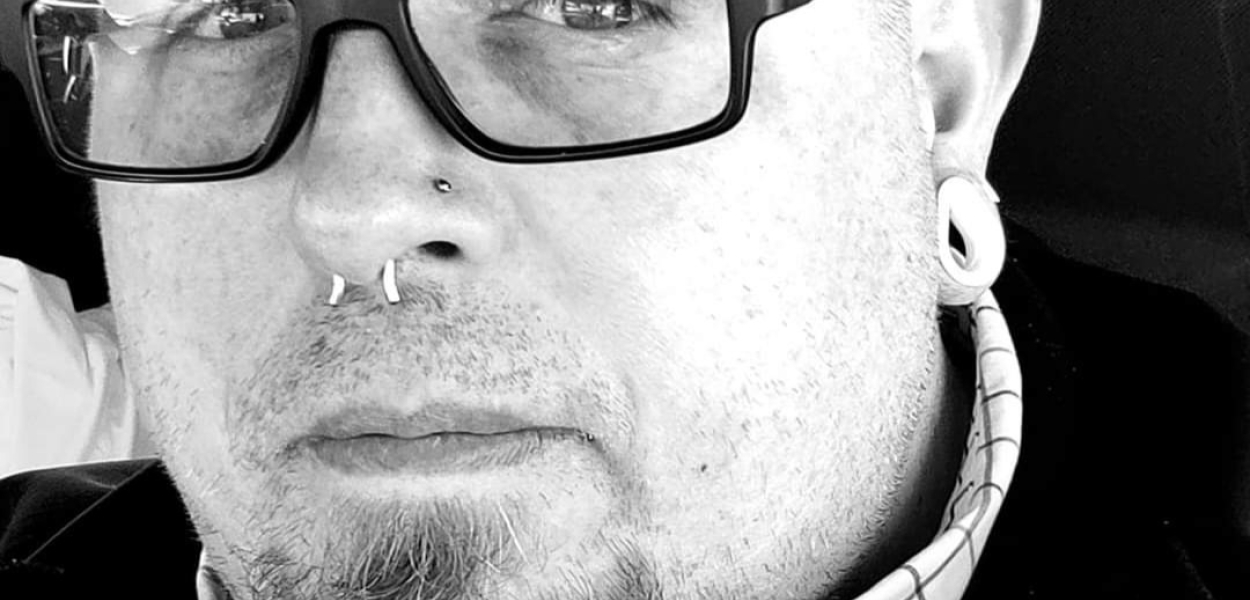
My dad worked at the Plainwell Paper Mill my entire life and I was constantly there for outings and strikes. The paper mill was like my second home. I was constantly in the building. Every year in elementary school, and the first couple years of middle school, we would always go to the paper mill as a class. We would walk through, and we would get our safety glasses and our earplugs, and they would tell us we had to stay between these lines because there were chemicals on the floor. They didn't want us to slip and fall and get hurt or get our hand chopped off by something. The normal tours were safe tours. We were led through by the managers of the plant.
After-hours was a completely different thing. There used to be a tall silo, or a turret, or a tower, or whatever you want to call it, and I remember climbing the ladder up there at eight or nine years old. You got up to the top of this ladder, and up there were discarded joints, cigarette butts, beer and Mountain Dew cans, broken bottles, and bird poop. This is where the guys would kind of go and have a quote, unquote after-hours smoke break. That was just one area that sticks out in my mind specifically. There were other areas where I was led through by my dad, where I would go between machines, and you would see stuff on the walls, stuff on the ground.
“I know I'm not the only kid that got the luxury of seeing this place outside of the yellow lines that we had to walk through. There were just so many curiosities and so many things that could get you in trouble, too.”
That community was built based on that paper mill. That was the heartbeat of Plainwell. A lot of the students that I went to school with, their fathers and their mothers worked there too, so not only do I have a direct connection to the toxicity that's involved, but to the community that's involved as well. Everybody knew everybody at this place. We’re talking about a smaller community and bringing work to the area—I think that that hinders reporting because people knew things were going on, but they were worried about their job. They were worried about the purpose and the position of their family, that if this paper mill shuts down, we lose our livelihood, we lose our longevity,. So, when the EPA shows up, you didn't see anything. Or when OSHA's here, disappear, you know?
When people hear of environmental chemicals they think Monsanto. They think Dow Chemical. They think 3M and Teflon. They don't think about what we're doing here. Printer inks can contain contaminants that we don't think about on the boxes of cereal that we enjoy. We hear about all the chemicals that are in cigarette tobacco. But we never hear about the chemicals that are in the filters, or in the papers. Even simple things, like your shoelaces after walking across a field that's been sprayed with these chemicals.
I think a lot of people think that they're just dumping pollutants into the water, but if you look at the surrounding area, specifically in Otsego, there are a lot of junkyards. Stuff like antifreeze, gasoline, oil, diesel fuel, hydraulic fuels—all of these things from places like these would run off into the river. We also had the laundromat. And then the other manufacturing facilities that were along that river as well.
“It doesn't take very much for a little bit to become a lot, especially when you have chemicals that don't mix with water.”
I mean, we look at oil—cooking oil or motor oil—that sits on top of the water. So, I just want to make sure that we point that out because even small amounts over a long period of time do accumulate, especially if it gets caught up in the fragmentation and the debris that's in the river, and it doesn't break down.
We used to play in the river when we were teenagers, and we used to swim in the river. I was constantly out catching and releasing fish with the guys. We were those kids. We played hide and seek, sometimes we would swim across the river, sometimes we'd find a spot that we could walk across that had some sort of land buildup. Many times I've lost shoes in the Kalamazoo River as well. We found ourselves a lot of times playing in the water and then not thinking about it, going up to the candy machine, getting a gumball, putting the gumball in our mouth after playing in the river, not washing our hands because kids don't. All of our childhoods revolved around that river.
There were some areas that were crystal clear, where you could go and, ironically enough, you could catch crawfish. But, if you went to the big river, you couldn't see the bottom. All of our experiences in the big river were experienced with our hands and our feet. We all tried to not go underwater. We did know that there were cars and bicycles and broken beer bottles and multiple other things in the river, so we knew that there were inherent dangers.
I became curious about the Justice for Otsego project when I heard about the passing of one of my good friends, and then Mary Zack going through the things that she did. I started seeing the Justice for Otsego Facebook group grow, and I started seeing the people that I was familiar with, or that I hung out with, join the group. I started asking questions. Things are different when you're 16 than they are when you're in your mid to late 40s. Things change, you start putting things into perspective.
At last count, I think I had 171 lipomas on my body. I've had some removed and sent in to University of Michigan and had them dissected and tested to make sure that they weren't cancerous, and I'm like, this just doesn't happen. I played football and I wrestled, but I don't recall ever getting contact on that particular part of my body, why do I have a lipoma there? Then, as I looked more into it, and started reading Justice for Otsego’s list of unique diseases, I thought, “Oh, wow!”
I've got Hashimoto's thyroiditis, which is an autoimmune disease that affects my ability to moderate the T4 and TSH levels in my body, so I've been on medication my entire life. I have kidney disease, I have some issues with my pancreas, gastrointestinal issues. They've told me all along that it goes hand in hand with the Hashimoto's. I have anxiety; constant, persistent migraines; weird weight gains, weight losses, and all of those things affect me behaviorally from time to time. My mom had it as well. My sister has it as well, but my dad's entire family does not have it. My dad's family did not grow up playing in the creeks like my mom's family did. My mom also ended up with multiple sclerosis and fibromyalgia. I’m not the only one who has gone through these things. It sounds like we've lost some really great people as a result of health issues, too, but I don't believe that everything is predisposed.
“It's hard to hold anybody accountable.”
Plainwell Paper Mill changed hands multiple times in the last ten years before they finally shut down. I think a lot of it was sharing that responsibility, taking a $50 million paper mill and selling it for $30 million so they can wash their hands of it and move on. It just kind of sucks. At the time, it was business, but you never know what's going on behind closed doors. You never know what's being said, what's being hidden, what's being told, what was being asked. That's why it's important for people to take a stand, seek justice, and try to get these answers and get the community involved. I'm very proud of my hometown for trying to take things back and hold people accountable for the answers.
Sadly, I don't think that it's ever going to come to recovery of loss. Obviously, the loved ones that we've lost along the way we're not going to get back. No amount of money can bring anybody back. But it's about time someone put their foot down and said, “Damn it, you screwed us up, now we want you to fix it.”
I decided to do this because, hey, you know what? I have a voice in the community, I have a voice with a podcast. I have a face made for radio, so I stick to radio. But I figured hey, if this is one way I can get this information out there, I’m going to do it. I’m not afraid to fight for these guys.
Related Stories
-
I lived at Ground Zero. No one lived closer to those pits and that contamination than I did, and there were so many different exposures in my life. Who's to say what was going to become of it?
-
I think that as time goes on, anybody interested will be able to find out the truth about this area’s history of pollution. It's getting out there now.
-
You can certainly make a mistake, all of us will, but when you are harming others, and are not taking accountability, that’s negligence.