
April Snow Craft
Otsego Resident
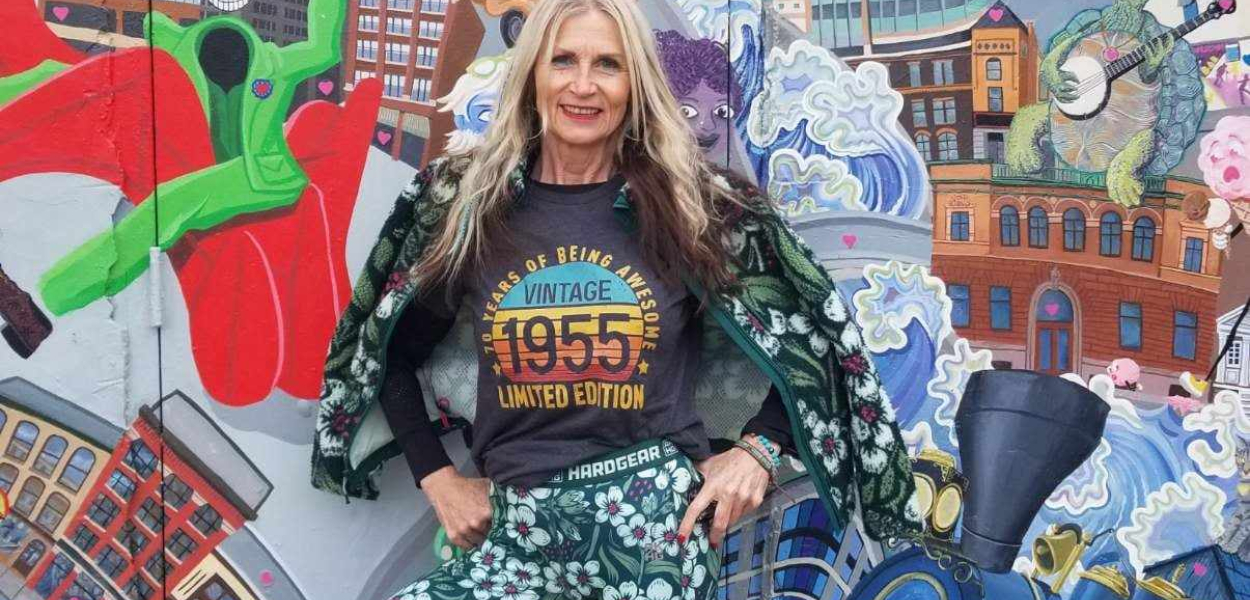
“I never imagined that the place I chose to settle down with my family—a charming little town nestled along the river—would become the center of my fight for environmental justice.”
Otsego, Michigan, with its wide carriage roads and Victorian homes, seemed like the perfect place to grow roots. But beneath its beauty, I discovered a troubling truth: something was poisoning us.
I came to Otsego on Valentine’s Day in 2000, guided out of North Carolina by the fire department during the worst ice storm I’d ever seen. My husband, a firefighter for Otsego, and I were drawn to the town’s warmth and community spirit. We bought a home near the river, and I became a substitute teacher, a nurse, and a firefighter. I wore many hats, but the one I never expected to wear was that of an environmental health advocate.
It started with cancer. Everywhere I turned, someone was sick. Breast cancer, brain cancer, ovarian cancer—my neighbors, my friends, the women I had tea with in their Victorian homes. One of them, Alice Hummel, taught me how to reuse everything and never waste. She died of ovarian cancer, and I still remember her asking me, “What are you going to do with all this stuff?” That question haunts me. Because “stuff” isn’t just things—it’s the legacy of contamination, the burden of illness, and the responsibility to act.
My own family wasn’t spared. My grandson was born with a birth defect—hypospadias—that doctors traced back to environmental exposure. He’s had multiple surgeries to try and correct the issue. His nephew has the same condition. I can’t ignore the pattern. I’ve seen too many birth defects, too many cancers, too many unexplained illnesses.
I was tested by the State of Michigan—one of 196 people whose blood and urine were analyzed for contaminants. I know what’s in my body. I’ve lived through floods, fires, and storms, but nothing prepared me for the invisible storm of chemicals—PFAS, plastics, metals—that have invaded our water, our air, our soil. I’ve lived in Rockford and North Carolina, both places with similar stories. It’s not just Otsego. It’s everywhere.
I’ve watched my community suffer in silence. People are afraid to speak out. My own children beg me not to tell them what I know. “Please, Mom,” they say, “I don’t want to know.” But I can’t stay silent. I’ve seen too much. I’ve held babies with birth defects. I’ve nursed people through their final days. I’ve buried friends and neighbors. I’ve seen the fear in their eyes, and I’ve felt the anger in my heart.
I don’t want credit. I want answers. I want justice. Justice for Otsego means accountability. It means testing the water, cleaning up the soil, and protecting our children. It means educating our community, empowering our youth, and demanding change from those in power. It means honoring the lives lost and fighting for the lives still here.
I’m a grandmother, a nurse, a farmer, and a fighter. I grow my own food, avoid microwaves, and reuse everything I can. I teach kids about their environmental footprint. I show them how much plastic they use in a weekend. I tell them, “If the worm won’t eat it, why would you?” I’ve seen the impact of Roundup, aluminum cookware, and contaminated wells. I’ve seen the effects of corporate negligence and government inaction. I’ve worked with big companies—DuPont, Procter & Gamble, Johnson & Johnson—and I know what they’ve done. I’ve seen the lawsuits, the cover-ups, the marketing spin. I’ve lived through the consequences.
But I believe in solutions. I believe in community. I believe in the power of small towns to rise up and demand better.
“Otsego is a blue-collar town, and we’re proud of that. We’re not just little puppies—we’re bulldogs. We need to be patriots of our own health, our own environment, our own future.”
I want to see filters in every home. I want to see citizen-led science projects, students testing water and learning about contaminants. I want to see farmers’ markets thrive, resale shops support the community, and churches lead the charge for justice. I want to see laughter, joy, and resilience. I want to wear a bumblebee costume and stand in front of the library if that’s what it takes to get people’s attention.
I’ve lived through the worst flood in North Carolina, where poisonous snakes and spiders surrounded my home. I’ve run a 24-hour gym, adopted children, and competed in bodybuilding at age 70. I’ve faced health scares, financial losses, and family tensions. But I’m still standing. I’m still fighting. And I’m not done yet.
“Justice for Otsego isn’t just about cleaning up the water. It’s about healing the community. It’s about restoring trust, rebuilding relationships, and reclaiming our health. It’s about making sure our children aren’t afraid. It’s about turning anger into action and grief into growth.”
I think of Mary Zack, who fought so hard for this town. I never met her in person, but I feel her spirit. She was a tiger, and her strength inspires me. When I see flowers blooming in winter, I think of her. When I hear “Bridge Over Troubled Water,” I think of my granddaughter’s graduation. When I see the river, I remember the lives lost and the lives we must protect.
We’ve been in the dark for too long. It’s time to shed light on the truth. It’s time to ask questions, demand answers, and take action. It’s time to clean up the mess and build a better future. For our children, our grandchildren, and the generations to come.
I’m April Snow, and this is my story. But it’s not just mine. It’s the story of Otsego. It’s the story of every town that’s been poisoned, every family that’s been impacted, and every person who’s ever asked, “What are you going to do with all this stuff?”
I’m going to do something. I already am.
What does “Justice for Otsego” mean?
Gallery
Related Stories
-

People say, “No one knew.” But I believe they did. These companies employed chemists, engineers, brilliant people with PhDs. They knew. And now, multiple generations are paying the price.
-

It doesn't take very much for a little bit to become a lot, especially when you have chemicals that don't mix with water.
-
I had no idea at first that it may have anything to do with environmental exposure.